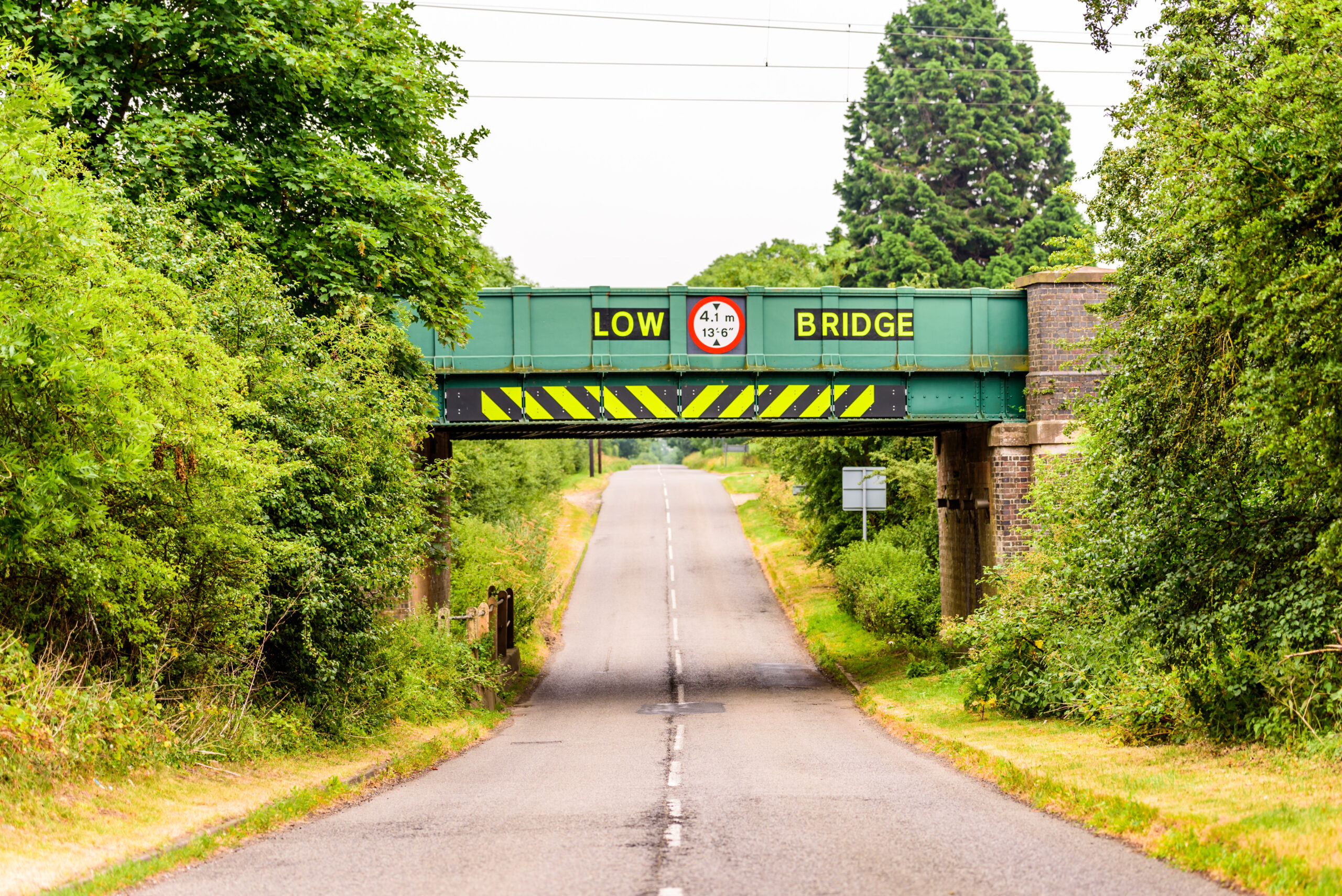
Bridge strikes: A preventable risk for operators and drivers
29 April 2026
Recent comments from the Traffic Commissioner reinforce a clear message: bridge strikes remain a serious issue, with consequences for operators, drivers, and the wider public.
Across the UK, around five bridges are struck every day, involving HGVs and passenger vehicles.
That’s not just a number on a page, it reflects incidents that regularly lead to injury risk, service disruption, and regulatory scrutiny.
The real consequences of a bridge strike
A single incident can have far-reaching impact:
- Risk to life – collisions can cause serious injury or even fatalities to drivers, passengers, and other road users
- Traffic Commissioner action – operators may face public inquiries, licence suspension or revocation, and driver disqualification
- Financial cost – including bridge repairs, vehicle damage, insurance increases, and compensation claims
- Reputational damage – negative publicity can impact business relationships and future work
- Operational disruption – delays, lost loads, and downtime affect your bottom line
Why are bridge strikes happening?
Common causes include:
- Poor route planning
- Lack of vehicle height awareness
- Over-reliance on unsuitable sat navs
- Inadequate driver training
The Traffic Commissioner expects operators to have robust systems, processes, and training in place to prevent these incidents.
Prevention starts with training
The good news? Bridge strikes are largely preventable with the right knowledge and systems.
Our bite-sized training courses are designed to help operators, transport managers, and drivers:
- Understand Traffic Commissioner expectations
- Improve route planning and compliance
- Reduce risk and protect your operator licence
- Respond correctly if an incident occurs
Don’t wait for a bridge strike to take action
For operators, prevention isn’t optional, it’s part of protecting your licence and your business.